community

Living Streets are Safer Streets

So, what would we consider to be a living street? What gives it life and makes it a vibrant, safe, and sociable place which we all enjoy being about? In this community safety blog, I am going to highlight some of the key features and attributes which can contribute to making our streets alive and safe for everyone in the neighbourhood.

The Covid lockdown has offered us a glimpse into a more greener living environment, there were less motor vehicles and with their decrease in noise and exhaust fumes, we experienced an increase in people and families going out for walks and a similar increase in people travelling by wheels, including bikes, skateboards and scooters. The air was cleaner, the birds chirping much more noticeably, and the grass and undergrowth were left to grow, flourish and bloom without their regular cutting and maintenance.  The notion of prioritising pedestrians over cars is seldom a popular approach to designing our streets and shopping areas, people like the convenience of shopping by car and often travelling to shopping centres on the outside of their communities. This however has a negative impact upon the quality of our own streets and in the decrease of local shops catering for local needs and which are often owned and run by local people. The priority when planning and managing our streets always seems to be about how we move cars or motor vehicles about, and marginalised groups are often discriminated against and consequently are excluded from our streets and public places. This effects our older people , those with physical and unseen disabilities and other vulnerable groupings who are discouraged and alienated from walking their streets , going to local shops or hanging about socialising due to the intimidating designs of our streets and the dominance of the motor car. I recently was made aware of the Living Streets Scotland organisation and their Walking connects Project. I learned from them about how our public places often act as barriers to vulnerable groups like those with disabilities and how these so-called public spaces can make individuals and groups feel unsafe. I was made aware of how peoples human rights were being undermined and how they were being discriminated against and in fact how few people actually were aware of how their social spaces were being used to oppress and alienate them.

https://www.livingstreets.org.uk/about-us/scotland

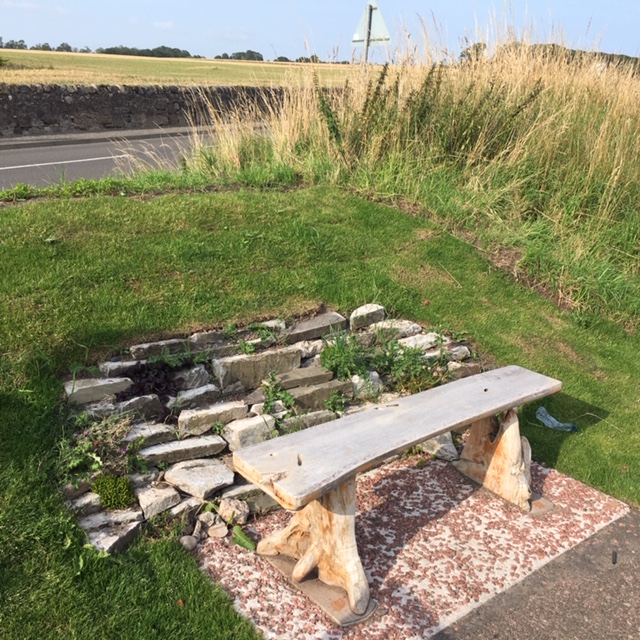
Our communal spaces can be made safer and less intimidating if we include certain features, for example public seating. This provides a resting spot for those who might not be fully fit due to age or illness. Install benches with some plants and shrubs then we have created a comfortable social area, people will feel safer and they know they can rest and not be harassed and stressed as they go about their daily business. Clearly, we need to ensure that local people are involved with the design of their public spaces and this must be an inclusive process. Those whose needs are currently discriminated against need to be brought into this process as a priority and they will require support and positive encouragement to engage and participate effectively with that design process.

We often think back with nostalgia to when we could safely play football in the street, children were not at risk from motor cars and it was commonplace for people to gather and socialise at street corners. The motor car is here to stay so the main challenge now in making our streets alive and safe is how we manage the tension that exists between cars and people. How do we negotiate a positive outcome from this conflict which could convert our streets back to being the focus of our communities? A solution might be to agree days when cars are not allowed on certain streets and these spaces can then be converted into social and community spaces. This approach has been successfully developed and deployed by the Living Streets Organisation, with their pop up parks and Parklets. This can then be progressed through including mobile sports equipment and possibly a performance area and providing a temporary meeting construction with seats and cover from the weather.  

What is a Pop-Up Park ?

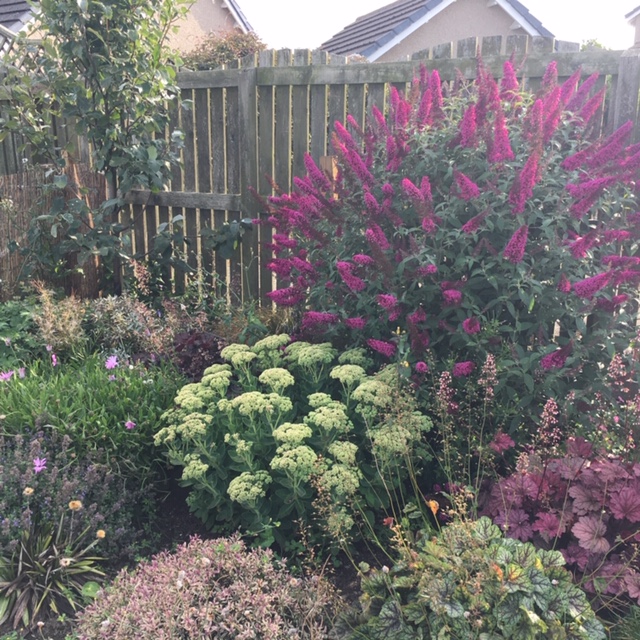
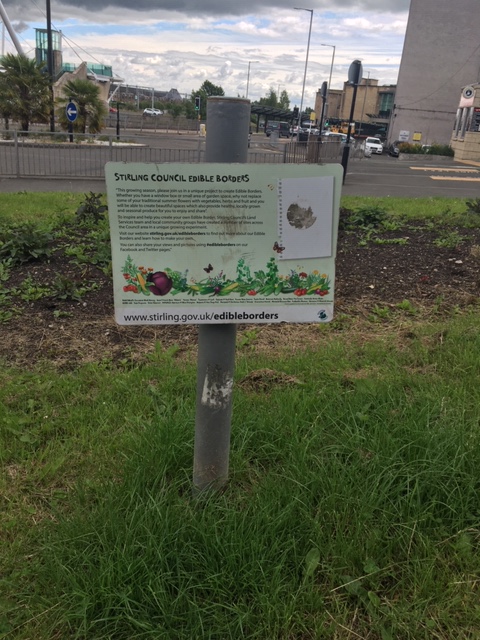
Beyond the pop-up parks and mobile social spaces, we can convert some of our litter and fly tipping hot spots into biodiverse planting areas or redevelop them into edible borders. This is an approach that I would like to develop as part of our Keep Camelon and Tamfourhill Tidy, Clean and Green campaign. This approach would take us beyond the litter picking and clearance of industrial refuse stage and onto making a positive contribution to addressing the climate emergency and provide a relaxed and enjoyable place to sit and socialise with your family and neighbours.

I believe that this approach and these examples are achievable locally, I would acknowledge that they are not a quick remedy to the issues, but they are a sustainable and viable approach. I would welcome your comments and thoughts on these ideas so please leave any opinions or thoughts in the boxes below, or contact myself directly at:

John R Hosie

Communitysafetyengager@tamfourhilltro.co.uk  
community

Restorative Justice:

Repairing the Harm and rebuilding relationships in the community.

In this week’s Community Safety Blog I want to touch very briefly upon 2 interrelated methods or approaches which could be relevant to our own local community safety strategy. Firstly is Restorative Justice, this has many and varied definitions depending upon the context and the agency or service which is utilising the approach. The Scottish restorative justice consultancy process facilitated by the Scottish Government describes this model as:  “being a voluntary process that engages those responsible for and harmed by a criminal offence in constructive dialogue about the harm caused and what can be done to set things right.” This then is a model that can be deployed in a variety of contexts, including: Youth Justice, problematic environmental circumstances, within schools and other educational settings and in addressing anti-social behaviour. My attention was drawn to a recent act of local vandalism that involved some garden furniture being broken. After the culprits voluntarily owned up, they were given an opportunity to repair the damage and enter dialogue with the victims of the breakage. The young people responsible are now carrying out some voluntary work with the organisation who were affected by the initial vandalism. A positive outcome then for everyone involved, a common understanding reached, and a resolution was found that has avoided the involvement of the police and the criminal justice system and indeed any punitive measures and is a win, win for everyone. The key feature to this process has been empathy, all parties are able to consider how it might have felt for the others effected by their actions and also in this case the clients of the organisation where the vandalism happened. A better level of understanding has been facilitated and an appreciation for the value of others and sometimes the challenges they face has been reached. This is an approach which could be more widely deployed locally, we potentially could adapt and adopt a restorative method when agreeing our action plans to addressing the local community safety priorities. Clearly a working agreement would be required by all the agencies , stakeholders and the local community, before this approach could be viable. SACRO have described using Restorative Acceptable Behaviour Contracts in appropriate circumstances with the aim “to address offending behaviour in a way which empowers the people harmed, those responsible and wider community members to resolve the conflict in a meaningful way”   Another significant feature is that the person responsible is given an opportunity to take responsibility for the consequences of their actions. The person affected for example by the anti-social behaviour or Offence can also have some say as to how the case is resolved and where relevant and appropriate the wider community can be involved with the dialogue.

The essence therefore of Restorative Justice is to make a positive contribution to community safety through using constructive methods of addressing anti-social behaviour and Offending behaviour.  The underlying principles are that crime causes harm and that justice should focus on repairing that harm and the people most affected by the crime should be able to participate in its resolution. Restorative methods are imbedded to the notion that the community is responsible for the wellbeing of all its members both victim and offender.

And so to the second strand I want to highlight and which can be described as Environmental Restorative  Justice and this has been described as: “being a philosophy much more than a set of techniques for doing justice for the environment in a more relational, more emotionally intelligent fashion. It is about healing earth systems and healing the relationship of humans with nature and with each other.”(earthrestorativejustice.org) OK that sounds a bit like tree huggers jargon but in terms of our local community safety strategy it can be relevant to how we go about tackling our litter and fly-tipping problems. If we view the locations that are litter or messy hot spots as areas of environmental damage, then we can implement restorative projects like turning them into wildflower meadows or edible borders or convert them to community vegetable plots. The solution to clearing these locations can become more than a group litter pick or getting the council to remove industrial sized refuse that has been dumped in the community. Potentially it can develop into an environmental project, encouraging biodiversity, reclaiming lost land, and contributing to greater community cohesion and the sense of feeling safe. I have also been looking into Parklets and Pop up Parks which can be deployed to different locations throughout the community and provide a safe and enjoyable place for local people to meet and socialise.  Another pertinent example is from Keep Scotland Beautiful who run an annual competition called “it’s your neighbourhood” where groups develop a project which must address the three pillars of: Community Participation, Environmental responsibility  and gardening achievement, the winners get £13,000 for their project. Getting involved in Projects like these can be an empowering process and enables us as a community to contribute to the climate emergency and make our neighbourhoods a safer and better place to live and work. 

https://www.sustrans.org.uk/our-blog/projects/2019/scotland/pocket-places-scotland/

John R Hosie

Community Safety Engager

3rd August 2020

community

Developing a local Community Safety Strategy that tackles the Communities level of concern about substance misuse

A worrying trend highlighted in the survey results has been the level of concern raised about substance misuse and in particular drug dealing. 73% of respondents have indicated that they are either greatly or fairly concerned about drug dealers. This presents an enormous challenge for the local community safety strategy and requires the attention of our statutory services, voluntary & community organisations, and the problematic drug users themselves. The conundrum between supply and demand will continue at both a prevention and at an enforcement level whilst also acknowledging that the manifestations of the selling and purchasing of drugs are many and complex. Where a local community led safety strategy can play a significant role can be with the prevention of our young people getting drawn into problematic drug use in the first instance. This may be achieved through supporting and developing in partnership with them, appropriate educational resources and prevention activities through providing youth work approaches that  promote resilience, social skills and the confidence for our young people to make the right choices in often difficult and challenging circumstances. There can be a role for Falkirk Council and our local community hubs with delivering quality youth work provision and there can be direct workshop inputs and projects delivered by community volunteers and the community safety engager It would be naïve to expect the demand for dangerous drugs to reduce in the short term through a programme of education and preventative activities however this requires to be an important strand to any strategy that is developed with the local community.

Finding oneself in a situation where you have developed a problematic dependency upon drugs must be devastating for the user, their family, friends, neighbours and indeed the local community. The social costs of drug dependency are significant: through the legal and criminal costs and through the impact upon our health and care services. The emotional and mental health impacts will resonate beyond the user and will have negative effects upon others through the dealing of the drugs and the consumption of the drugs within the local community. Clearly a local strategy will need to take into consideration these associated factors. I will therefore endeavour to involve the specialist drugs agencies, Falkirk Council and also charities like the Cyrenians and SACRO who carry out invaluable work locally with people touched by the criminal justice system and through providing support to those with dependency and ongoing offending problems. I feel we need to be able to see beyond the labels and stigmatisation of being involved with problematic drug use and simultaneously living often challenging and chaotic lifestyles. We need to be able to actively involve everybody with the solutions to making our community a safer and better place to live and work.

Any local Community Safety Strategy addressing this concern will be reliant upon the enforcement of the law. This will represent a significant strand to reducing the negative impacts of local drug misuse and the problems arising directly from the selling of drugs. I have been in communication with the local community police officers and clearly, they will play a key role with developing and confirming our local strategy. I can see from the SIMD data for the local neighbourhoods where the problems are likely to be and I believe that there are specific locations that are of local concern. Off course the Police rely upon the reporting of crime and I understand that this is an extremely sensitive and complex issue. I fully appreciate why local people may be reluctant to report issues relating to drug misuse, especially if it involves your immediate neighbours and places you go and use yourself.  

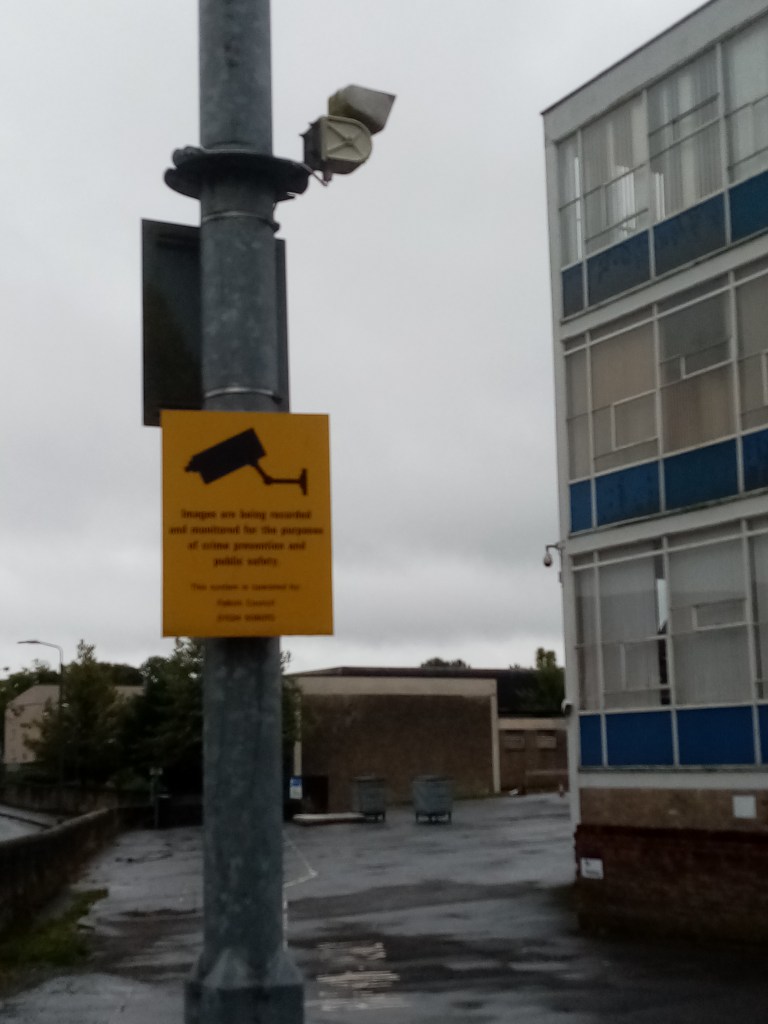
How effective is CCTV ?

The challenge ahead is significant and fraught with problems, however with the right partners involved and crucially the willingness of the local community to get  involved  then we can implement an  effective community safety strategy that will address some of the local concerns about substance misuse.   An important aspect of this will be to form and possibly constitute a local community safety forum which has local people , community groups and agencies all working together in order to develop programmes and activities which will go some way to addressing the local priorities for community safety. I will look at this notion of a local community safety forum in a future blog but again this approach will only be effective if it is driven forward by the local community for the local community.    

To conclude this week’s Blog I will highlight the work of an organisation called Fearless, I believe some of their approaches and  community based initiatives   can be replicated locally and can be adapted and adopted to our own  particular set of circumstances. What we often see as problems can become part of the solution and the resources and skills to deal with issues at a community level often lie within that community itself.

www.fearless.org/en/professionals/news/thank-you-scotland

Please could you complete a local survey, the responses are of great assistance in identifying and confirming the local community safety priorities and our future activity will be developed around these priorities. If you complete a survey by Friday 7th August, then you can be entered into our prize draw and you can win yourself a brand-new Tablet.

https://tinyurl.com/ycbes5qw

camelon, community, litter, Our Place, safety, Support, tamfourhill

Prize draw for completed surveys draws nearer:

My brief contribution to this weeks community safety blog is a reminder that the deadline to have your completed surveys entered into the prize draw, where you can win a brand new Tablet, is a week on Friday, 7th August 2020. Please if you can take the 5 minutes required to complete this survey I would be very grateful. It is providing insight and useful data that should make a significant contribution to developing a local community safety strategy that is relevant and appropriate to local priorities. I would like to thank everybody who has taken the time to complete a survey to date or has been in contact with myself to discuss the local area and some of the issues that they consider to be of importance. I was also enthused by my recent meeting with the Kemlin Kin Group and I look forward to further work with that Group.

As I highlighted in last week’s blog, littering and fly tipping are clearly matters that will need to be addressed locally, and indeed these issues have become a national concern. The problems with this have been increased over the period of lockdown. The consequence of this is that we need to ensure they are tackled now and not left to deteriorate and create additional health and safety problems for our communities. It therefore seems very appropriate that our local response is linked to Keep Scotland Beautiful and their clean up Scotland campaign. I will be endeavouring to make this Project an enjoyable and rewarding experience and for it to be successful it must be community led and facilitate lots of local participation. Please keep an eye out for how you can get involved with this initiative as I hope to get work started before the Autumn.   

John R Hosie

The survey is at: https://tinyurl.com/ycbes5qw and at our website: www.camelontamfourhill.co.uk/safety

KEEP CAMELON AND TAMFOURHILL TIDY CLEAN AND GREEN

camelon, collaboration, community, litter, lockdown, Our Place, safety, tamfourhill

The Community Safety Road Ahead

Hello and welcome to my third article for the Our Place Camelon and Tamfourhill Community Safety blog. Time seems to be flying past at a very fast rate and hopefully we are getting closer to the Scottish Government restrictions being lifted and we are now entering a period of life which is more familiar to all of us. It has been frustrating for myself since coming into post at the start of May as I have been unable to meet people in person and I haven’t had the ability to get to know our  communities and the facilities and Groups which are thriving throughout Camelon and Tamfourhill. I would like to thank my colleague Dan Rous for his continued insight and local knowledge, and the support I have been receiving from Shona and Lynne at the Tamfourhill TRO. I was also glad to be formally introduced to the Kemlin Kin group this week and I look forward to working closely with this group as we develop the local community safety strategy. One benefit of the working from home approach has been the time and space that I have had to carry out research and prepare myself for the work ahead and look at other good practice examples from around Scotland in relation to community safety.

My initial task has been to implement a consultation process and my intention is for this to be a dynamic process and for it to be inclusive. I want to ensure that all the different interests and groups within the community have a voice and an input with identifying and confirming the local community safety priorities. This until now has only involved the survey which has been circulated and is available at https://tinyurl.com/ycbes5qw (Remember if you complete a survey by the 7th August you can win yourself a Tablet in the prize draw). Due to the lockdown,  I have as yet been unable to take the survey out in hard copy version so that people who don’t  use social media etc can also get an opportunity to complete a survey.  

In my previous blogs I have been publishing some of the preliminary findings and I have highlighted the most significant local issues which include: concerns about Substance misuse, various types of anti-social behaviour and the problems of littering, fly-tipping and dog fouling. Roads and traffic matters have also scored very highly, and it appears that specific locations have problems with speeding cars.  I have already been researching into anti-litter campaigns and I hope to link our own local initiatives in with the Keep Scotland Beautiful and their clean up Scotland campaign. Please look for opportunities to get involved with this campaign. It will be more than just cleaning up specific areas, although that will form a significant part of our activities, but in addition there will also be creative arts to get involved with, family based activity, a media and publicity campaign and the redevelopment of specific areas through encouraging greater bio diversity. I am using the working title of “Keep Camelon and Tamfourhill clean, tidy & green”

The survey is manly about identifying broad areas of importance and over the next few months the consultation will move into a more interactive and participative phase. I will be organising Focus Groups and also activity-based workshops for the younger members of our community. I have also been meeting on Zoom with other stakeholders and I have received a very positive response for the Community Police officers, the local Fire and Rescue Service, the Neighbourhood watch scheme, and services within Falkirk Council. It is absolutely essential that all our local groups are involved, and if they are willing, I will be keen to facilitate Focus groups with our Tenants and Resident Organisations, Community Hubs, Social Clubs, the Nailer Park groups and the Camelon Community Centre. I have also received an incredibly positive and encouraging commitment to the local strategy form the: Camelon Arts Project, The Conservation Volunteers, the Community Sports Hub, and the Cyrenians Navigators Project. Once I have been able to collate all the consultation materials and Focus Group feedback, I will be holding a community action planning day. The aim of this will be to work in partnership with all of these before-mentioned groups and agencies and other stakeholders to put together the local strategy and agree a programme of activities which will make a positive contribution to making Camelon and Tamfourhill a safer, happier and more attractive place to live.  


camelon, community, Our Place, safety, tamfourhill

Keep Camelon and Tamfourhill clean, tidy, and green:

Welcome to my second weekly blog which will be focused upon some of my thoughts regarding the initial responses from the Community Safety Survey.  I felt it would be useful to focus upon one theme each week and to get the ball rolling in the process of agreeing the likely community safety priorities, and what projects and activities can potentially be developed to address these local concerns.

You can find a summary of the survey responses at www.surveymonkey.com/stories/SM-DGDS9QRD/

This summary focuses on two of the themes and has been collated at the 6 July 2020. Please remember that in order to be entered into the prize draw to win a Tablet you must have completed a survey by the 7 August. You can find the survey at surveymonkey.com/r/7T2DVL8

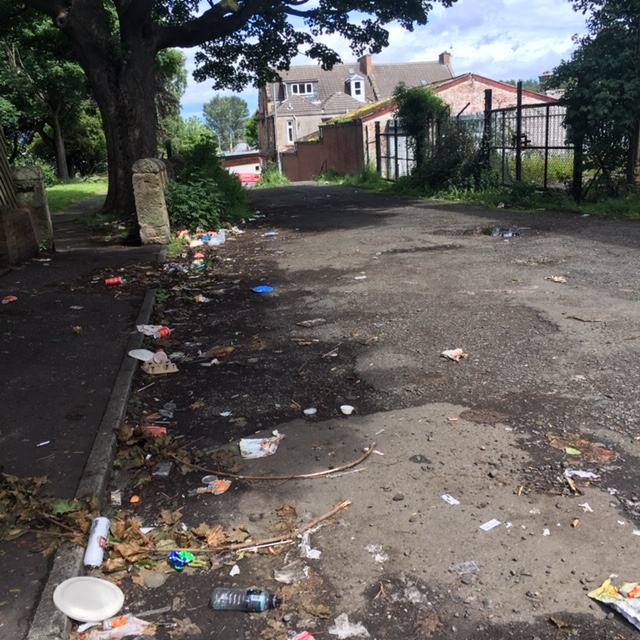
Although the broader theme of environmental issues and open spaces has so far not been a particularly significant one, the detailed results within that theme have confirmed that 83% of respondents were either greatly or fairly concerned about: dog fouling, discarded rubbish/littering and fly-tipping. This therefore suggests that a priority area for development must involve clearing up badly littered spots/locations, keeping these areas clean and tidy and ensuring that the community, local businesses, and other agencies play an important and successful role with that process. I recently took some photographs of obvious locations that are strewn with litter and which are unsightly and a potential health risk. I also gave consideration as to how these areas could be improved and kept tidy whilst also contributing to the biodiversity and amenities within our local community. I’ve put them together in the video at the end of this weeks blog. This illustrates the negative areas and offers some possible ideas for transforming these locations for the benefit of both the community and the need for greater biodiversity.

Keep Scotland Beautiful:  Clean up Scotland Campaign

I have been researching anti-litter projects in different communities and I have found the work carried out by Keep Scotland Beautiful to be helpful, in particular their “Clean up Scotland Campaign.” This provides a workable template for Camelon and Tamfourhill and registering our local Projects with Keep Scotland Beautiful would facilitate many local benefits. Their approach is more than just about tidying up an area through holding litter picks, although that activity does feature, but in addition their tool kit provides guidance on developing your own local anti-litter campaigns. This involves publicity techniques, networking approaches and strategies for involving community groups, schools, local businesses, statutory agencies, and the media all working in partnership to successfully transform trouble spots into positive, recreational, and sustainable locations. The Organisation highlight their ISM approach, that stands for: Individual, Social & Material, and these three interrelated factors underpin their suggested approach to local community tidy up Projects.    

Here are some details lifted directly from Keep Scotland Beautiful Tool kit for Community Clean Ups.

Larger group actions:

Organise and register a Clean Up with us Clean Up Scotland is our widest reaching community campaign and so far over half a million people have been involved.  As a rapidly developing and widely recognisable volunteer activity, by organising a Clean Up you will be setting the example for others in your community and showing them that it really is possible to make a difference.  By wearing the bright recycled tabards, we supply, your group will also be providing others with a behavioural ‘nudge’, reminding people that littering will not be tolerated by the community.  It is really easy to register your Clean Up with us and to get advice and resources to make it a great success.  There is lots of useful information on the Clean Up Scotland pages of our website, but the community projects team are always happy to answer any of your queries by phone or email.

If you would like to register your Clean Up event, please visit: www.keepscotlandbeautiful.org/register

“My walk to Tamfourhill Community Hub”
camelon, community, Our Place, safety, Support, tamfourhill

Community Safety Strategy

Identifying Local Community Safety Priorities.

Hello – John Hosie here – Community Safety Engager. Welcome to my new weekly blog on Community Safety. Hopefully you’ve received our flyer that should have come through your door in recent days. This is what it looks like:

I launched a consultation recently in order to get your input on the latest Community Safety issues that you are facing. Currently the most significant community safety themes are: Anti social behaviour, Substance misuse, Traffic/roads & Crime and disorder. This is very early into the consultation process and the survey in particular is concerned with gathering some baseline data and looking at broader themes and trends. There are indicators of the more specific issues which will need to be looked at in greater detail and will be further explored through Focus Groups and Workshops. These issues, in no particular order, may include: Littering, fly tipping & rubbish, an array of concerns related to substance misuse, speeding vehicles at particular locations in the community, theft from sheds/garages especially bike theft and a general desire to access support, information and advice about community safety issues through a web based resource.

Please complete the survey so that we can collate as many views as possible. The closing date is 7 August and you could win a Fire HD10 Tablet in our Prize Draw.

Key Messages from Stakeholders:

  • We need to encourage local people to take more pride in their area
  • There seems to be a reluctance to travel out of your neighbourhood to access services, activities and facilities.
  • There are issues around violence which are often associated with incapacitation and drugs
  • There are strong positive neighbourhood identities
  • There are well established and well used facilities and community groups, Our Place Camelon & Tamfourhill has had a positive and effective impact upon the local communities.
  • There are open spaces which could be improved and better used for leisure, learning & recreation.

Interesting Data from the Survey Responses so far:

  • Only 6 people under 24 years old have completed a survey
  • 73% of respondents are female
  • 67% of respondents would like to be either kept informed or be further involved with the local Community Safety Strategy.

You can view a summary of the current survey data here: https://www.surveymonkey.com/stories/SM-DGDS9QRD/

Finally from me for now, here’s a video from Road Safety Scotland with a stark reminder of the dangers of speed. But before you watch that, remember if you want to contact me direct, I would love to hear from you. You can email communitysafetyengager@tamfourhilltro.co.uk or call 07391 524528.
camelon, community, safety, tamfourhill

Community Safety Survey

Please take 5 minutes to complete the Community Safety Survey for Camelon and Tamfourhill. The survey responses will contribute towards the formation of a local community safety strategy. There will be further opportunities to get involved with the strategy, through volunteering and action planning, so please get in touch with John Hosie if you would like to be kept updated and or more involved with the Project.

You can enter your completed survey into our prize draw and win a Fire HD 10 Tablet.

https://tinyurl.com/ycbes5qw