community

Community Safety Survey: Looking at the responses.

This week I want to start by offering a big thanks to the 161 local people who completed a community safety survey. The survey closed on the 7th August and I have now been working on collating the data, carrying out some analysis and starting the process of confirming the local community safety priorities. The consultation will now move onto a more interactive phase and once I am able to do so, I will be holding some Focus Groups in order to get further details about the relevant Community Safety issues and the actions we will need to take to address the various concerns. The survey results have provided a clear indication of what are the important issues in the community and where there clearly needs to be positive action. The future will be a success if we are able to involve all sectors of the community and the various organisations to work in partnership and we are able to tackle matters collectively and in a coordinated way. If you are interested in looking at the detailed report with my initial interpretation of the responses, then please visit: https://www.surveymonkey.com/stories/SM-6MCXY5PD/

I know that people don’t have the time to read long detailed reports, although they will be of great assistance when we come to later apply for funding and resources , so I thought I would break the survey results into much smaller sections and highlight a couple of themes each week on the blog, so please go to the link below:

https://www.surveymonkey.com/stories/SM-5NYR3T5D/

Together we can do so much

The Future is unwritten

camelon, coach, community, development, Our Place, resilience, Support, tamfourhill

Exploring Coaching

I’m now 3 1/2 months into this new role and even with the restrictions, it’s been great to be able to provide remote support to those groups and individuals that have requested it. There’s still a few projects and on-going support happening, and I know there’s much more to tap into. However, there are still some of you out there who aren’t quite sure what it is that I do!!

In normal times I would have sat down in a cafe with you and had a chat, but that’s not been entirely possible of late, so for now, this is my best method of getting the information across. (I’ll still happily buy you a coffee in the near future though!)

My last few blogs have all been on the theme of motivation, planning and finding direction, which is essentially what my role is about – helping you to develop the skills necessary to help shape your own, and if appropriate your organisations, future. With previous local support activities, you’ve had people who will take your issue and do something to sort it for you. That is absolutely great and there are some amazing people providing this kind of support for groups across the country. But what happens if that same issue comes up again. What did you learn from that support? Would you be able to sort things out if left to your own devices? How can I, as your Community Coach, help you with that? Let’s explore the work of Coaching further:

Coaching (ˈkəʊ.tʃɪŋ). Noun. The job or activity of providing training for people or helping to prepare them for something:  Coaching helps people to self-critique and self-regulate their behaviour to achieve the things they want.

Cambridge English Dictionary

Coaching is the process of coming alongside someone to help them get clarity and confidence in addressing life’s opportunities. Coaching is not about mentoring.  It’s not about counselling. There are plenty of great mentors and counsellors that I can direct you to if that’s what you’re needing. Coaching is about asking questions and allowing people to think things through, as that’s the most profound way they will learn. Coaching is not about telling people what to do, or worse, doing it for them, but about listening well, asking insightful questions, and helping people on their way. Asking somebody the right questions, helps them to discover the answers to things inside them that they didn’t realise they had the answer to. Essentially, coaching can bring an individual or organisation fully alive into who or what they were meant to be. No matter what has happened in the past. No matter what others say. You have the right to access the opportunities that exist in order to be the person you were meant to be. We all need to grow.

If we’re honest, you probably could do this on your own, but its hard. Allowing another person – a coach – to help you look at what you’re doing, can help bring fresh perspective and open up the answers you were missing. In most cases, the things that you want to figure out will be things that you already know of or had thought about, or things for which there are resources close by but you don’t have the time or head space to make that happen.

So, what is the narrative that’s stuck in your head? Is there something you’ve been stuck in and never able to climb over? Coaching helps you to discover that and to move on and progress into your full potential. It can help you find an oasis in a desert.  Do more in less time.

All the answers are within you already.  My role as a coach is to help you draw them out, and move forwards. And that goes for organisations as well as individuals. You may be looking to move your organisation to the next level or do something different and you can’t see how it could work. You may be stuck in a rut of something that’s always worked but is beginning to struggle or fade away now. As a coach, I can help you to navigate your way out of that rut by helping you look and think about things differently.

Let me be honest with you here. This whole coaching thing benefits me as the coach as well as you, the person receiving the coaching. For years I have used the statement on my CV and LinkedIn profile that I “develop projects that enable people and communities to be developed”. I love doing this as it brings me genuine pleasure. I also learn from it too. I may have developed and assisted numerous projects but I am always learning. The coaching process helps me to continue to learn and understand communities as I assist the person being coached.

When I encountered the powerful leadership tool of coaching, everything changed. It was like a gust of wind filled the sails of my heart and life.

Tom Camacho

So how do we do this Coaching thing together? The first and biggest step is to make contact. Phone, email, social media, carrier pigeon – whatever works for you – just get in touch. That is a big step in itself but once taken, can open up the journey for you to begin to feel the joy of fruitful effectiveness that lines up with how you were made. I will then take time to listen and understand where you’re at, where you want to go, and with your agreement, begin to work with you on the steps to get there.

There are 5 steps on the Coaching journey, all helpfully beginning with the letter R:

  • Relate: Together we establish the coaching relationship and set an agenda for what needs to happen;
  • Reflect: Through questioning and conversation, we discover and explore the key issues that need tackling;
  • Refocus: I will help you to determine the priorities, what action steps are needed, and help you understand how they can be achieved;
  • Resource: I will support you, train you, connect you and provide constant encouragement through good and bad;
  • Review: Together we will evaluate what has happened, learn from any issues that occurred along the way, celebrate the result, and review plans for the next phase.

It sounds simple and essentially it is! Yes there will be some difficult hurdles to overcome but facing them with someone else who can help you, makes the process so much easier. And being part of a wider community helps too. The Kemlin Kin Group is a partnership of local residents and leaders of organisations and groups who are already active in the local area or have a passion to see things grow. You could join that group as well if you live in the Camelon and Tamfourhill area, and find the benefit of a network of people who want to bring an increase in positive activity and opportunities locally. Get in touch to find out more.

So that’s it. Coaching in a nutshell! All that’s left for you to do is contact me and let’s start a conversation. Before I go though, have a look at this short animation of what the coaching journey can be. I hope this all helps, and I look forward to hearing from you soon.

Dan Rous: communitycoach@tamfourhilltro.co.uk 07444 873151

community

We require your involvement and participation

Alone we can do so little: together, we can do so much

Hellen Keller

I am putting out a request in this week’s community safety blog: I need your help and your active participation with making Camelon and Tamfourhill a safer, better, and happier place to live and work. If we are to achieve this bold aspiration, then we will need to recognise the challenges that we face and acknowledge that the best chance of success is if we all come together and work with a common purpose.

The first part of the community safety consultation was concluded on Friday 7th August with the closure of the online survey. I would therefore like to once again offer my congratulations to Jacqueline Hannah on wining the Tablet through the survey Prize draw, and I hope that she gets lots of pleasure and enjoyment from using her new device. I was also incredibly pleased to have 161 completed survey responses, with 92 local people expressing both an interest with being informed about the future plans for community safety and in also taking part in a community action planning day. I therefore will be contacting those relevant individuals to bring them up to date with the results of the survey and inviting them to take part in the next stages of the consultation. It is vitally important that the community safety priorities are identified by the local community and in this respect, it is also critical that local people agree to the appropriate and relevant actions that are necessary, if  the local plans and activities are to be successful and effective.  

The Kemlin Kin Group are a partnership of local people with representatives from organisations and groups who are already active and delivering services and activities in the local area. I would like to encourage others to join with this Group and therefore take an  active role with driving forward the community safety plans for the area and also in supporting the work of the Community Coach Dan Rous with  his remit of building the resilience and the capacity of the local area. I fully realise that people get fed up with committees and steering groups and endless talking in meetings, however I would want to assure you that this group will be different. Dan and I will endeavour to make this an enjoyable experience with lots of hands on activities, opportunities to volunteer, learn new skills, develop existing interests, and potentially gain accreditation and recognition for your community involvement. We will also be looking to start up a Young Community Safety Volunteers group and they will get opportunities to learn about peer education and will have loads of activities to get involved with. This approach will be equally concerned with facilitating new support networks and hopefully forming new friendships throughout our neighbourhoods and an important aspect of this group can also be about families coming together for the betterment of the local area. I do not want to be too prescriptive as the agenda and programme of the group would be developed in accordance with the views and ideas of the group themselves, with the support of myself and Dan. The key to the success of this group will be in its ability and effectiveness for putting plans into place and having responsibility for implementing positive change in the local area. Please if you are interested in any way please get in touch with either me or Dan at communitysafetyengager@tamfourhilltro.co.uk or communitycoach@tamfourhilltro.co.uk  

I will briefly highlight some of the key findings and indicators of what issues might be community safety priorities for Camelon and Tamfourhill. I will also in the coming weeks go into greater detail about the survey results and focus on specific themes. There are a number of Focus Groups and Workshops that I will be facilitating when it is safe to do so and these activities should assist with putting some meat onto the bones of the results of the survey. The three most significant community safety themes on the survey have been recorded as: Anti-social behaviour, Substance misuse and problems with crime and disorder and traffic/roads. Within these broader themes specific issues have been highlighted, and most notable are the problems of litter, fly -tipping and dog fouling, drug dealing and the consumption of drugs, the level of reoffending are all of considerable concern. The feelings about the fear of crime and a lack of reassurance about community safety issues are noted as being especially important to local people.

I have in previous blogs highlighted some of the possible campaigns and plans that I would hope will be supported locally, these have included: Keep Camelon and Tamfourhill: Tidy, Clean and Green campaign and linked with Keep Scotland Beautiful , similarly we have an active bid to be a community clear up host also with Keep Scotland Beautiful, Restorative justice approaches in dealing with issues around disorder and vandalism,  public art projects in partnership with Camelon Arts, promoting bio diversity and sustainability through community gardens, wild flower meadows and edible borders, young community safety volunteers project, the further redevelopment of Easter Carmuirs Park and we are one of the lead groups in a consortium bid for a creative communities grant award from Inspiring Scotland.  If you are interested in any of these themes and potential projects then please get in touch, these are the types of initiatives you would be supporting and developing through being a member of the Kemlin Kin Group.

If you want to go quickly, go alone, if you want to go far, go together.

African Proverb

https://www.surveymonkey.com/stories/SM-93MRD8ZD/

camelon, coach, community, development, Our Place, resilience, Support, tamfourhill

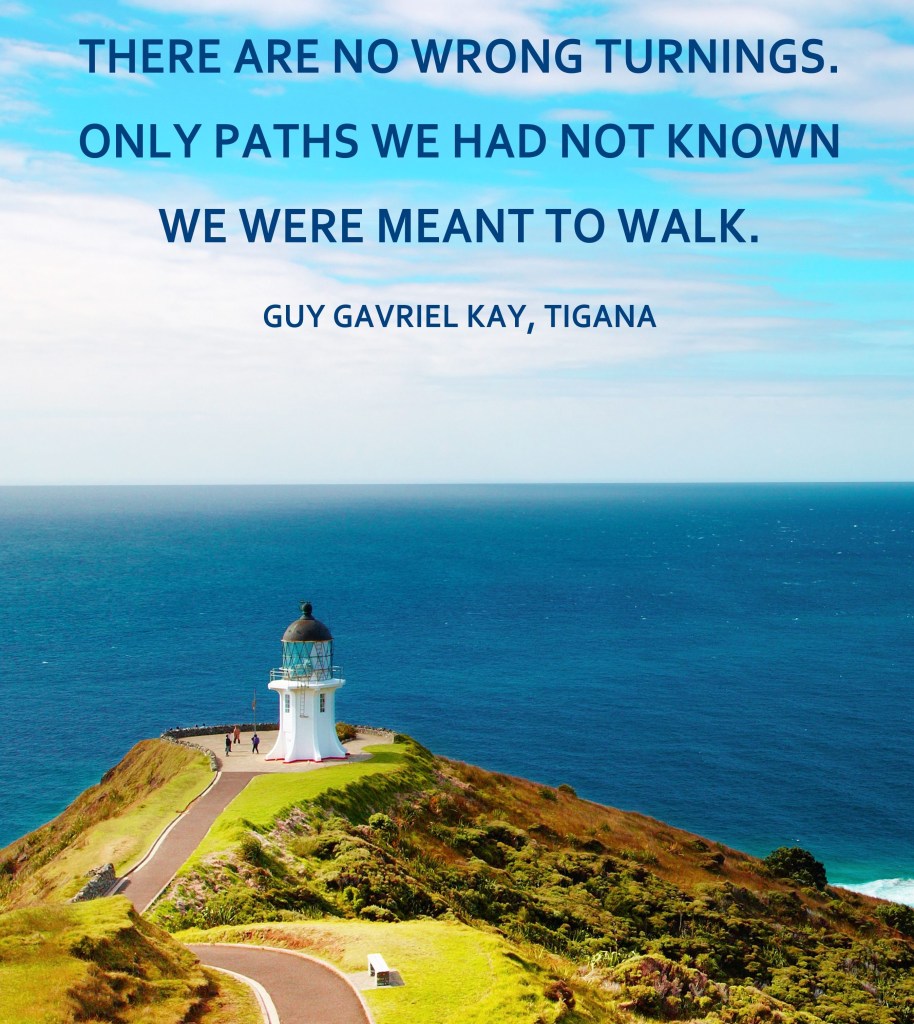
No Wrong Path

There has been a lot of talk about exam results over the last week or so. You or your child may have been one of those affected this year – either positively or negatively. Whatever the situation, this is not the place to get into the rights or wrongs of what has happened.

Personally, I was rubbish at exams! I am originally from well south of the border, and was the second cohort to take on the GCSE’s which had a bit more coursework that counted to the final result, but was still quite exam heavy at the time. But what I have learned over the years is that as important as our time at school and those exam results are, they do not necessarily close any doors to a positive future. We should all make the most of any learning and development opportunities that come our way throughout our lives, especially at school but through our later years too. But we should also never think that we’re stuck on a particular path if it isn’t working out how we hoped. That’s also kind of been the theme of our #MondayMotivation images that we’ve been sharing each week.

Over the last couple of years, the social media hashtag #nowrongpath has grown momentum. This is when people share their journey to where they are now and prove the point that where you start out isn’t always where you end up. For some, they know where they want to go from an early age and make every effort to get there. But many others start out on a direction and either find it wasn’t for them or that life has opened their eyes to other opportunities. So, for this week’s blog, I thought it might be helpful to share my journey to where I am now, that will hopefully serve as encouragement for those who think they may be stuck or not sure where to go or what to do.

  • Left school with 3 GCSE’s;
  • Took and passed a 1 year Construction Course at college – planning on being an architect;
  • Re-sat 2 GCSE’s and passed 1;
  • Switched plan and started a 2 year Business and Finance Course;
  • Got offered, and accepted a job after the first year work experience placement on that course and began working in finance for the NHS;
  • After 3 years, I was made redundant and spent a short time working as a Kitchen Porter – doing the dishes in the staff canteen of a large Pharmaceutical Company;
  • Eventually got a part time job in finance at a University Student Union;
  • Also got another part time job at a Christian Bookshop which later became a full time job;
  • After another 3 years, I returned to finance to become a Regional Finance Assistant for a large Christian Charity;
  • Left 3 years later to go to Bible College;
  • 15 months later I moved to Scotland with my now wife;
  • Spent 4 months working as a Chef in a busy Restaurant;
  • Spent 18 months as Assistant Cafe Manager for a Charity run Community Cafe;
  • Was then involved in setting up a Charity run Furniture Re-Use Project and managed this for 6 years;
  • Spent 2.5 years as Managing Director of a Furniture ReUse and Community Support Charity;
  • Left to take on 2 Development Roles – one for a Community Development Trust to move them closer to having a Community and Sports facility, and the other for a large Christian Charity setting up Charity Shops and Furniture Projects;
  • Also established a consultancy business, helping people to turn their Ideas to Enterprise;
  • After just over 3 years, I left to work in a full time Development Role to convert a former Church to a Community Facility;
  • Just over 4 years later, I am now in this Community Coach role.

I started with some wild idea to be an architect, discovered I was better at finance stuff, did a bit of catering, then got involved in charity enterprise activities, learning about development and Social Enterprise as a result, discovered a passion for “Developing Projects that enable People and Communities to be Developed”, and ended up in what for me as I am just now, is the perfect role. I guarantee this would not have been the journey a careers person at my school would have set out or even been aware of the end destination. It’s not exactly a linear path!

So, whatever stage of life you are at, or if you’re trying to encourage a child of yours along the way, be encouraged that there is no wrong path on the journey of life. And if you have a passion for something burning inside you and either don’t think you could achieve it or haven’t got a clue where to start, then I would love to help you. Please get in touch and let’s see if together, we can get you on your next right path.

community

Living Streets are Safer Streets

So, what would we consider to be a living street? What gives it life and makes it a vibrant, safe, and sociable place which we all enjoy being about? In this community safety blog, I am going to highlight some of the key features and attributes which can contribute to making our streets alive and safe for everyone in the neighbourhood.

The Covid lockdown has offered us a glimpse into a more greener living environment, there were less motor vehicles and with their decrease in noise and exhaust fumes, we experienced an increase in people and families going out for walks and a similar increase in people travelling by wheels, including bikes, skateboards and scooters. The air was cleaner, the birds chirping much more noticeably, and the grass and undergrowth were left to grow, flourish and bloom without their regular cutting and maintenance.  The notion of prioritising pedestrians over cars is seldom a popular approach to designing our streets and shopping areas, people like the convenience of shopping by car and often travelling to shopping centres on the outside of their communities. This however has a negative impact upon the quality of our own streets and in the decrease of local shops catering for local needs and which are often owned and run by local people. The priority when planning and managing our streets always seems to be about how we move cars or motor vehicles about, and marginalised groups are often discriminated against and consequently are excluded from our streets and public places. This effects our older people , those with physical and unseen disabilities and other vulnerable groupings who are discouraged and alienated from walking their streets , going to local shops or hanging about socialising due to the intimidating designs of our streets and the dominance of the motor car. I recently was made aware of the Living Streets Scotland organisation and their Walking connects Project. I learned from them about how our public places often act as barriers to vulnerable groups like those with disabilities and how these so-called public spaces can make individuals and groups feel unsafe. I was made aware of how peoples human rights were being undermined and how they were being discriminated against and in fact how few people actually were aware of how their social spaces were being used to oppress and alienate them.

https://www.livingstreets.org.uk/about-us/scotland

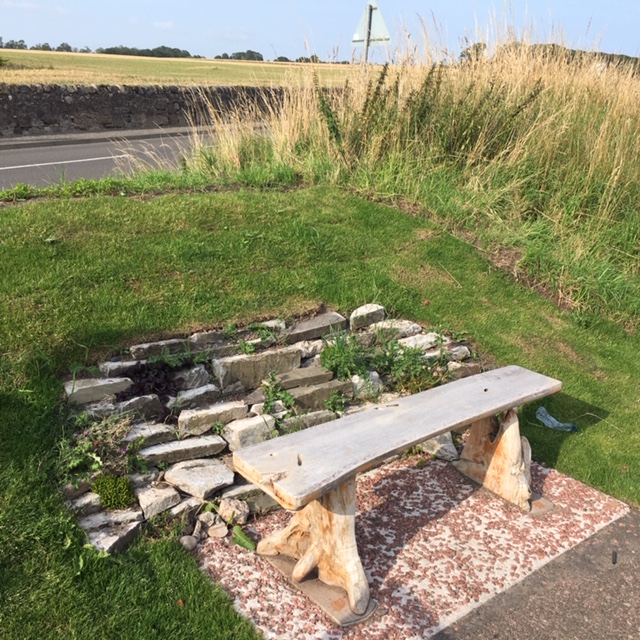
Our communal spaces can be made safer and less intimidating if we include certain features, for example public seating. This provides a resting spot for those who might not be fully fit due to age or illness. Install benches with some plants and shrubs then we have created a comfortable social area, people will feel safer and they know they can rest and not be harassed and stressed as they go about their daily business. Clearly, we need to ensure that local people are involved with the design of their public spaces and this must be an inclusive process. Those whose needs are currently discriminated against need to be brought into this process as a priority and they will require support and positive encouragement to engage and participate effectively with that design process.

We often think back with nostalgia to when we could safely play football in the street, children were not at risk from motor cars and it was commonplace for people to gather and socialise at street corners. The motor car is here to stay so the main challenge now in making our streets alive and safe is how we manage the tension that exists between cars and people. How do we negotiate a positive outcome from this conflict which could convert our streets back to being the focus of our communities? A solution might be to agree days when cars are not allowed on certain streets and these spaces can then be converted into social and community spaces. This approach has been successfully developed and deployed by the Living Streets Organisation, with their pop up parks and Parklets. This can then be progressed through including mobile sports equipment and possibly a performance area and providing a temporary meeting construction with seats and cover from the weather.  

What is a Pop-Up Park ?

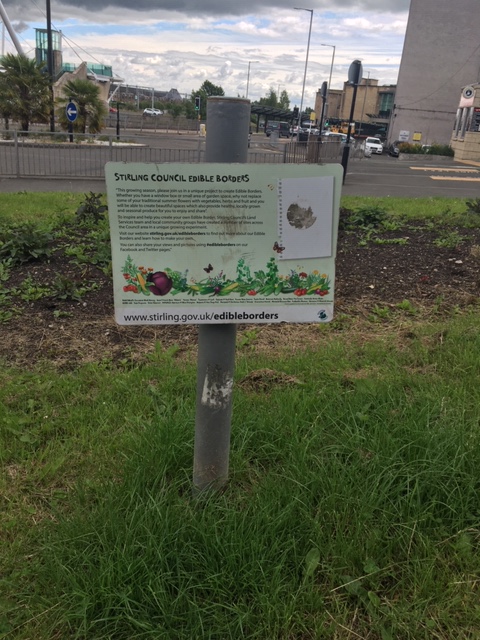
Beyond the pop-up parks and mobile social spaces, we can convert some of our litter and fly tipping hot spots into biodiverse planting areas or redevelop them into edible borders. This is an approach that I would like to develop as part of our Keep Camelon and Tamfourhill Tidy, Clean and Green campaign. This approach would take us beyond the litter picking and clearance of industrial refuse stage and onto making a positive contribution to addressing the climate emergency and provide a relaxed and enjoyable place to sit and socialise with your family and neighbours.

I believe that this approach and these examples are achievable locally, I would acknowledge that they are not a quick remedy to the issues, but they are a sustainable and viable approach. I would welcome your comments and thoughts on these ideas so please leave any opinions or thoughts in the boxes below, or contact myself directly at:

John R Hosie

Communitysafetyengager@tamfourhilltro.co.uk  

camelon, coach, community, development, lockdown, Our Place, tamfourhill

The power of Community

Why are we here?! Okay, that’s a big question to start off this blog with. But let me pull that apart a bit. Why are you where you are? Why do you live in this community? Why do you get involved in the things you do? Or conversely, why do you choose not to get involved? What is it about this community that holds you here? Who is your community?

Sorry for all the questions but I think they are important ones to address as we work to develop things in this area. Arguably, community is the one of the most important things in life and can be the biggest tool for personal growth. Before I go on, have a look at this short video:

Okay, so I’m not asking you to walk around in groups of 6 holding a grapefruit! (For those who didn’t watch the video that will not make any sense! It might be worth popping back and having a quick watch!) The message of the video is about how different people groupings can work together to be a community with a common goal. No matter your age, race, religion, sex, or interests – it is absolutely possible to be in community together. If you are isolated (I’m talking generally – not through shielding), you only have one perspective on life – yours. It’s streamlined and very specific. By linking up with others, you can expand that perspective to introduce other passions, interests, fears, issues, gifts etc. When people mingle together they create something bigger plus you also get to see a new side of yourself based on feedback from others from what they see in you.

As we slowly begin to come out of lockdown, we will all have had a different level of experience over the last few months to bring with us into whatever the world is going to look like. Many will have spent more time than usual in the community. You may have taken more walks around the area – seen parts of the area in a different light or even for the first time. You may have seen different people – maybe even said hello to them. But that is all it takes to take a step into community – a smile or a simple greeting.

John and I will talk a lot about growing ‘community’ over the coming months. That can take many different forms and involve all types of people from all different backgrounds. But anything we get involved in will be for the express purpose of enhancing our community and all those who live within. In order for this to work, we all need to learn to love the community around us – warts and all – and allow ourselves the opportunities to grow. If we miss out on community – we miss out on encouragement and so much more.

Look at the world around you. Look for your community. Find the people. Invest in each other. Together, we can make Camelon and Tamfourhill even better.

When you think about it, there is one skill at the centre of any healthy community: the ability to see someone else deeply, to know another person profoundly, and to make them feel heard and understood.

David Brooks

Until next week…..

community

Restorative Justice:

Repairing the Harm and rebuilding relationships in the community.

In this week’s Community Safety Blog I want to touch very briefly upon 2 interrelated methods or approaches which could be relevant to our own local community safety strategy. Firstly is Restorative Justice, this has many and varied definitions depending upon the context and the agency or service which is utilising the approach. The Scottish restorative justice consultancy process facilitated by the Scottish Government describes this model as:  “being a voluntary process that engages those responsible for and harmed by a criminal offence in constructive dialogue about the harm caused and what can be done to set things right.” This then is a model that can be deployed in a variety of contexts, including: Youth Justice, problematic environmental circumstances, within schools and other educational settings and in addressing anti-social behaviour. My attention was drawn to a recent act of local vandalism that involved some garden furniture being broken. After the culprits voluntarily owned up, they were given an opportunity to repair the damage and enter dialogue with the victims of the breakage. The young people responsible are now carrying out some voluntary work with the organisation who were affected by the initial vandalism. A positive outcome then for everyone involved, a common understanding reached, and a resolution was found that has avoided the involvement of the police and the criminal justice system and indeed any punitive measures and is a win, win for everyone. The key feature to this process has been empathy, all parties are able to consider how it might have felt for the others effected by their actions and also in this case the clients of the organisation where the vandalism happened. A better level of understanding has been facilitated and an appreciation for the value of others and sometimes the challenges they face has been reached. This is an approach which could be more widely deployed locally, we potentially could adapt and adopt a restorative method when agreeing our action plans to addressing the local community safety priorities. Clearly a working agreement would be required by all the agencies , stakeholders and the local community, before this approach could be viable. SACRO have described using Restorative Acceptable Behaviour Contracts in appropriate circumstances with the aim “to address offending behaviour in a way which empowers the people harmed, those responsible and wider community members to resolve the conflict in a meaningful way”   Another significant feature is that the person responsible is given an opportunity to take responsibility for the consequences of their actions. The person affected for example by the anti-social behaviour or Offence can also have some say as to how the case is resolved and where relevant and appropriate the wider community can be involved with the dialogue.

The essence therefore of Restorative Justice is to make a positive contribution to community safety through using constructive methods of addressing anti-social behaviour and Offending behaviour.  The underlying principles are that crime causes harm and that justice should focus on repairing that harm and the people most affected by the crime should be able to participate in its resolution. Restorative methods are imbedded to the notion that the community is responsible for the wellbeing of all its members both victim and offender.

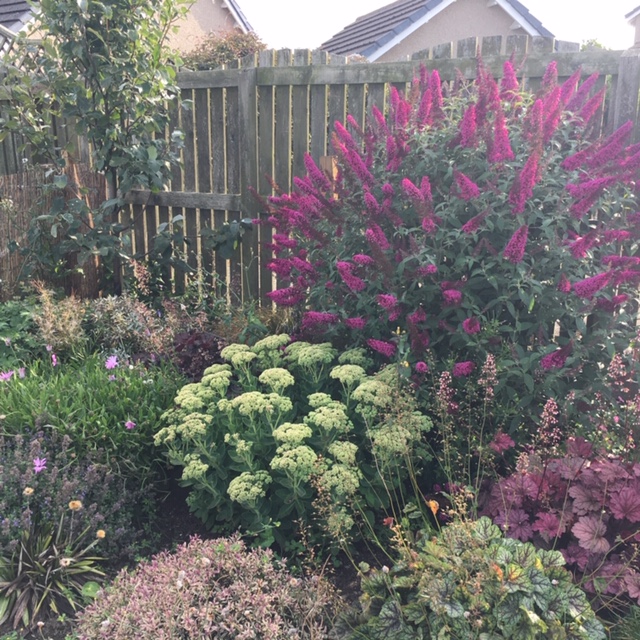
And so to the second strand I want to highlight and which can be described as Environmental Restorative  Justice and this has been described as: “being a philosophy much more than a set of techniques for doing justice for the environment in a more relational, more emotionally intelligent fashion. It is about healing earth systems and healing the relationship of humans with nature and with each other.”(earthrestorativejustice.org) OK that sounds a bit like tree huggers jargon but in terms of our local community safety strategy it can be relevant to how we go about tackling our litter and fly-tipping problems. If we view the locations that are litter or messy hot spots as areas of environmental damage, then we can implement restorative projects like turning them into wildflower meadows or edible borders or convert them to community vegetable plots. The solution to clearing these locations can become more than a group litter pick or getting the council to remove industrial sized refuse that has been dumped in the community. Potentially it can develop into an environmental project, encouraging biodiversity, reclaiming lost land, and contributing to greater community cohesion and the sense of feeling safe. I have also been looking into Parklets and Pop up Parks which can be deployed to different locations throughout the community and provide a safe and enjoyable place for local people to meet and socialise.  Another pertinent example is from Keep Scotland Beautiful who run an annual competition called “it’s your neighbourhood” where groups develop a project which must address the three pillars of: Community Participation, Environmental responsibility  and gardening achievement, the winners get £13,000 for their project. Getting involved in Projects like these can be an empowering process and enables us as a community to contribute to the climate emergency and make our neighbourhoods a safer and better place to live and work. 

https://www.sustrans.org.uk/our-blog/projects/2019/scotland/pocket-places-scotland/

John R Hosie

Community Safety Engager

3rd August 2020

camelon, coach, collaboration, community, development, Our Place, resilience, Support, tamfourhill

Turning enthusiasm into action

Clever people tell me of the ancient Greek word “enthos” which means “from within”. Literally, it has religious connotations, but from this ancient word we get todays word enthusiasm. So what is your ‘enthos’? What enthuses you? What gets you out of bed in the morning? Is it money? A necessity? Or a passion to do, be or create something? Or maybe you don’t know what to do with this dream inside you. Maybe you have an idea, a passion, a goal that is burning within you and you don’t know what to do with it. Maybe life – those around you – your own mind – is telling you that you can’t do anything with it.

Everyone has a different ‘enthos’. And everyone has a right to bring that to a reality yet so many miss out because they never took that first step. Or worse, that someone stopped them taking that first step. If you’re enthusiastic about something, now is the time to put things into action.

I should add at this point that there are those who don’t like the word enthusiasm or enthusiast. They change it for ‘fanatic’ or say the person is literally ‘possessed’ by the topic or activity in question. Okay, that may be a very literal translation of the word but we are not going anywhere near that kind of description – it is not helpful and stops some people with a genuine enthusiasm for something from actually going through with it.

It is said that the wealthiest place on the planet is a graveyard, because of all the ideas, dreams and passions that lay unfulfilled. That enthusiasm someone had for something but never went through with it for various reasons. That idea to create something that never came through because someone told them it would never work. That passion to develop a local activity that never got off the ground because of lack of support.

Let’s not allow this kind of history to repeat itself. Whatever it is that is burning within you, we’d love to chat with you about it. We can help you work through the processes you’d need to go through to make it a reality. Through our direct support, and signposting you to the support of others, your ‘enthos’ can come out from within your mind and become a reality.

In closing, have a watch of this short video that asks what drives you. It uses a lot of sporting imagery but take note of the dialogue. Now is your time.

community

Developing a local Community Safety Strategy that tackles the Communities level of concern about substance misuse

A worrying trend highlighted in the survey results has been the level of concern raised about substance misuse and in particular drug dealing. 73% of respondents have indicated that they are either greatly or fairly concerned about drug dealers. This presents an enormous challenge for the local community safety strategy and requires the attention of our statutory services, voluntary & community organisations, and the problematic drug users themselves. The conundrum between supply and demand will continue at both a prevention and at an enforcement level whilst also acknowledging that the manifestations of the selling and purchasing of drugs are many and complex. Where a local community led safety strategy can play a significant role can be with the prevention of our young people getting drawn into problematic drug use in the first instance. This may be achieved through supporting and developing in partnership with them, appropriate educational resources and prevention activities through providing youth work approaches that  promote resilience, social skills and the confidence for our young people to make the right choices in often difficult and challenging circumstances. There can be a role for Falkirk Council and our local community hubs with delivering quality youth work provision and there can be direct workshop inputs and projects delivered by community volunteers and the community safety engager It would be naïve to expect the demand for dangerous drugs to reduce in the short term through a programme of education and preventative activities however this requires to be an important strand to any strategy that is developed with the local community.

Finding oneself in a situation where you have developed a problematic dependency upon drugs must be devastating for the user, their family, friends, neighbours and indeed the local community. The social costs of drug dependency are significant: through the legal and criminal costs and through the impact upon our health and care services. The emotional and mental health impacts will resonate beyond the user and will have negative effects upon others through the dealing of the drugs and the consumption of the drugs within the local community. Clearly a local strategy will need to take into consideration these associated factors. I will therefore endeavour to involve the specialist drugs agencies, Falkirk Council and also charities like the Cyrenians and SACRO who carry out invaluable work locally with people touched by the criminal justice system and through providing support to those with dependency and ongoing offending problems. I feel we need to be able to see beyond the labels and stigmatisation of being involved with problematic drug use and simultaneously living often challenging and chaotic lifestyles. We need to be able to actively involve everybody with the solutions to making our community a safer and better place to live and work.

Any local Community Safety Strategy addressing this concern will be reliant upon the enforcement of the law. This will represent a significant strand to reducing the negative impacts of local drug misuse and the problems arising directly from the selling of drugs. I have been in communication with the local community police officers and clearly, they will play a key role with developing and confirming our local strategy. I can see from the SIMD data for the local neighbourhoods where the problems are likely to be and I believe that there are specific locations that are of local concern. Off course the Police rely upon the reporting of crime and I understand that this is an extremely sensitive and complex issue. I fully appreciate why local people may be reluctant to report issues relating to drug misuse, especially if it involves your immediate neighbours and places you go and use yourself.  

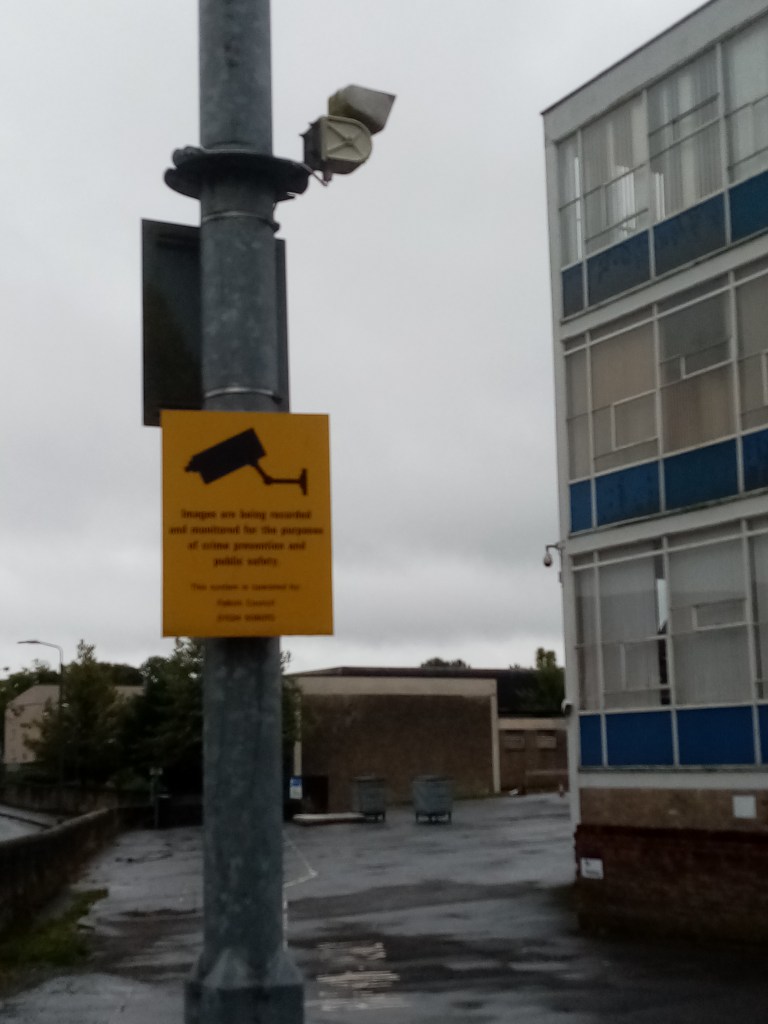
How effective is CCTV ?

The challenge ahead is significant and fraught with problems, however with the right partners involved and crucially the willingness of the local community to get  involved  then we can implement an  effective community safety strategy that will address some of the local concerns about substance misuse.   An important aspect of this will be to form and possibly constitute a local community safety forum which has local people , community groups and agencies all working together in order to develop programmes and activities which will go some way to addressing the local priorities for community safety. I will look at this notion of a local community safety forum in a future blog but again this approach will only be effective if it is driven forward by the local community for the local community.    

To conclude this week’s Blog I will highlight the work of an organisation called Fearless, I believe some of their approaches and  community based initiatives   can be replicated locally and can be adapted and adopted to our own  particular set of circumstances. What we often see as problems can become part of the solution and the resources and skills to deal with issues at a community level often lie within that community itself.

www.fearless.org/en/professionals/news/thank-you-scotland

Please could you complete a local survey, the responses are of great assistance in identifying and confirming the local community safety priorities and our future activity will be developed around these priorities. If you complete a survey by Friday 7th August, then you can be entered into our prize draw and you can win yourself a brand-new Tablet.

https://tinyurl.com/ycbes5qw

camelon, coach, community, development, Our Place, resilience, Support, tamfourhill

What kind of mindset do you have?

Welcome to my latest Community Coaching blog. It’s been encouraging to receive some interaction from these posts – it’s good to know at least some people are reading them and finding them helpful!

The text on this week’s Monday Motivation graphic said “Focus on doing right thing for the right reason and don’t buy into the lie that it can’t be done”. This got me thinking – and so the theme for this week’s blog was born!

It’s so easy to listen to others who try to put you down and tell you it can’t be done. As a result, you could potentially miss out on a great opportunity for yourself. It’s also easy to listen to the voice in your head saying you’ll never be able to do something. Your surroundings can also affect your way of thinking. Okay, statistically Camelon and Tamfourhill is an area of deprivation. So what! You are still you and deserve the opportunity to reach your fullest potential. Just because others around you, even your friends and family, have chosen not to pursue a dream, does not mean that you have to go down that path too. The Camelon and Tamfourhill area is full of assets – and you are one of them.

We could leave this blog right there! Be encouraged to be the person you were made to be. But if you’ve got the time, please stick with me for a few more minutes as we look a bit deeper at this.

Whether you’ll be able to achieve what you want or not, is partly down to how your brain is geared – what your mindset is. In short, do you have a fixed, or a growth, mindset? It’s relatively obvious which mindset is better but here’s a little further analysis:

Fixed MindsetGrowth Mindset
A belief that intelligence, skills and talents are fixed – “I’m not good at this now, and never will be.”A belief that intelligence, skills and talents can be developed – “My skills have come a long way, and I know they can be better with some guidance.”
A focus on outcomes or targets rather than progress – “I’ve failed completely. I missed my sales target by 10%” (ignoring your much improved sales pitch).Everything is a learning opportunity – “This is going to be a challenge, but I’ll break it down and tackle a bit at a time.”
Talking yourself down, feeling threatened by others or giving up in the face of setbacks or failures – “Clearly all this feedback means I’m no good at writing. I’ll ask someone else to do it next time.”When you fail or suffer a setback, you believe you just can’t do it yet – “I can see now that the way I set this up wasn’t quite right, so I’ll take an alternative approach next time.”

Now if you find yourself in one particular column, don’t presume that you will stay there. We all shift between a fixed and growth mindset, depending on our situation. Someone coming at a completely new task or role might be prepared to learn, and expect some setbacks as they go through that process. They have a growth mindset. On the other side, in promoting someone who has used a growth mindset to learn and progress, this might mean they now see themselves as an expert with little more to learn. Suddenly, they have a fixed mindset.

I like to consider myself as someone with a growth mindset and as such I can recognise this problem. In previous development roles, I have recognised a point where you can actually create so much growth that you end up being in danger of creating something or someone that is unmanageable. But you still need people that are at least willing to learn or change – as the need arises. People that are so fixed in their ways – the ‘aye been brigade’ – need to be shown a better way and often that happens best by ignoring their criticism and committing to your own growth. Actions – and results – speak much louder. Their attitude is the enemy of progress, encouraging us to cling to what we know even when it falls so far short of our expectations and potential. It has been described as a self-imposed straight-jacket disguised as a safety net that in short, simply restricts and fails others. Use your determination to grow to show them a better way.

Our brain’s structure is not fixed. It constantly changes in response to our external and internal experiences, and we can choose to make use of this to improve our skills and intelligence. By adopting a growth mindset, we decide to use a range of strategies to tackle tasks or challenges, and find learning opportunities in mistakes, setbacks and failures. Confidence and resilience are the consequences of a growth mindset. Developing a growth mindset is a journey of self-awareness and of conscious learning. It takes time and practice, so set your expectations accordingly, and regularly take some time to reflect on the results.

Let’s recap with the help of this short video:

In time, we’ll be developing some training courses that will help you with this and other personal and organisational development topics. For now though, we have this blog and the chance for me to engage directly with you to help you grow. If you want to know more or simply want to chat through an idea, then please get in touch.